
TNWG Wine Times: Ep 60: Yorkshire and the Rise of Northern English Wine vs the South
- aplofthouse
- May 6
- 4 min read

Yorkshire and the Rise of Northern English Wine: How It Compares to the South
England has rapidly become a global player in sparkling wine, with regions from Sussex to Kent and as far as the South West too (a nod to where I helped make wine at Calancombe Estate )earning recognition for their high-quality, Champagne-style wines - some of my favourites being Langhams (Dorset), Gusbourne, Artelium and even up to Oxfordshire (Hundred Hills). But outside of the crazy article that took socials by storm last year calling Yorkshire the next possible Bordeaux (https://www.thedrinksbusiness.com/2025/04/could-yorkshire-be-the-next-bordeaux-for-winemaking/) , few know of Yorkshire's wine scene erupting.
In this burgeoning national wine scene, Yorkshire is carving out a unique identity. While southern counties benefit from milder climates and long-established wine industries, Yorkshire is emerging as a northern alternative that offers distinct soils, grape expressions, and innovative viticulture. Comparing Yorkshire to its southern counterparts highlights why it is increasingly considered an exciting and credible wine region and why I'm excited for the coming years!
Climate Differences
Southern England, particularly counties like Sussex, Kent, and Hampshire, benefit from a warmer, sunnier climate that is ideal for ripening traditional Champagne varieties (Chardonnay, Pinot Noir and Meunier). The combination of mild winters, long growing seasons, and low frost risk has allowed southern vineyards to establish a strong tradition in sparkling wine, producing wines with ripe fruit flavours, creamy textures, and consistency from vintage to vintage.
Yorkshire, by contrast, is cooler and more northerly - naturally and in many wine tastings that I host, I talk about the cooler the climate, the more 'tart and early picked in terms of crisp fruit profile'. Its maritime-influenced climate brings longer daylight hours during the growing season, but temperatures are generally lower, and the risk of frost is higher in early spring which is a major concern year on year for the standard of harvest.
While this presents challenges, it also offers advantages. Slow ripening enhances acidity, precision, and aromatic intensity in grapes, resulting in sparkling wines with a fresh, mineral-driven character that differs from the often richer and fruitier southern styles. In some ways, Yorkshire’s conditions mirror northern Champagne vineyards more closely than southern England does, giving its sparkling wines a northern elegance and restraint.
Soils and Terroir

Soil is a defining factor in the distinction between Yorkshire and southern wine regions. The South Downs, where many Sussex vineyards lie, features chalky soils similar to Champagne, providing excellent drainage and heat retention. Kent vineyards often have fertile loams and sandy soils that produce aromatic whites and delicate sparkling wines.
Yorkshire is defined by diversity. The Wolds are rich in chalk and limestone, similar in structure to southern vineyards, but with unique northern minerality. The Pennines and Vale of York have clay, loam, and gravelly soils, each imparting different textures and flavours to the grapes. This diversity allows Yorkshire winemakers to experiment with a broader range of wine styles—from crisp, mineral-driven sparkling wines to aromatic whites like Bacchus and Ortega, and even small-scale red wines. Yorkshire’s soils, combined with its cooler climate, give its wines a tension, vibrancy, and freshness that distinguishes them from the more sun-soaked southern wines.
Grape Varieties and Wine Styles
Southern English vineyards typically focus on Chardonnay, Pinot Noir, and Pinot Meunier for sparkling production, with Bacchus and Pinot Gris for still wines as a generalisation although there are many varietals coming out of the South now, not least the standard of Pinot Noirs from Essex and Kent. These grapes flourish in the warmer conditions, producing elegant, fruit-forward sparkling wines and soft, aromatic still wines.
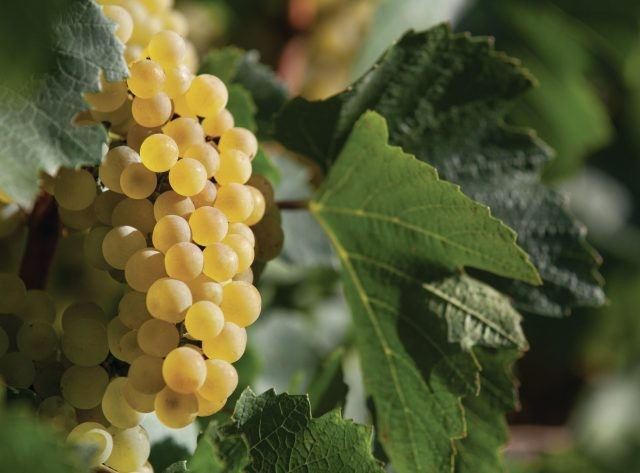
Yorkshire uses many of the same varietals but with notable differences in style. Chardonnay from Yorkshire tends to be more high-acid, expressive, and mineral-driven, reflecting slower ripening. Pinot Noir is used for structure and complexity in sparklings, while Pinot Meunier adds softness. Still wines, especially Bacchus and Ortega, show pronounced aromatics, bright citrus notes, and floral undertones. In cooler years, Yorkshire producers may lean on hybrid varieties like Seyval Blanc or Regent to maintain quality and resilience.
Overall, Yorkshire wines are marked by vibrancy, elegance, and a sense of place that feels distinctly northern.
Innovation and Wine Tourism
Southern vineyards benefit from decades of established winemaking and tourism infrastructure, including tasting rooms, wine festivals, and export channels. Yorkshire, as a newer wine region, is rapidly catching up. Pioneering vineyards such as Leventhorpe (established in 1985 near Leeds), , Ryedale (established in 2006 near York), and Laurel are experimenting with a range of methods including minimal intervention, biodynamic practices, and site-specific viticulture to maximize terroir expression. However, these are not the only vineyards now in the area - see https://yorkshirevineyards.co.uk/vineyards-a-z for your nearest vineyard to visit in Yorkshire. Wine tourism is growing, with vineyard tours, tasting experiences, and harvest events helping the region build its reputation while fostering a community of innovative producers.
Why Yorkshire Matters
Yorkshire is proving that English wine is not just a southern phenomenon. Its combination of cool climate, chalky and diverse soils, experimental viticulture, and northern character gives it a unique position in the national wine scene. While southern wines often emphasize fruit ripeness and roundness, Yorkshire wines are celebrated for their precision, minerality, and aromatic intensity. This contrast enriches England’s wine identity, offering consumers and connoisseurs a broader spectrum of styles and regional expression.
Did you know there is a Yorkshire Wine Trail now too - don't believe me?
Take a look: https://yorkshirewinetrail.co.uk/
Yorkshire represents the next frontier for English wine, why, because I've said so...and a lot of people agree thanks to the changing of climate worldwide.
While it shares certain advantages with southern regions—chalky soils for sparkling production, maritime climate influences, and access to international expertise—it stands apart through its cooler climate, soil diversity, and emerging vineyard innovation. As winemakers continue to refine their craft, Yorkshire is positioning itself as a northern complement to southern wine regions, producing wines that are compelling, expressive, and distinctly English.
It's exciting times!
And the BEST bit, you can experience it by following this website: https://yorkshirevineyards.co.uk/
AND AND AND ... coming along to celebrate The Great Yorkshire Wine & Fizz Festival on Saturday 27th June....

See you there!


Comments